From the Ashes: The Game Sequels That Came Back Swinging and Silenced Every Critic
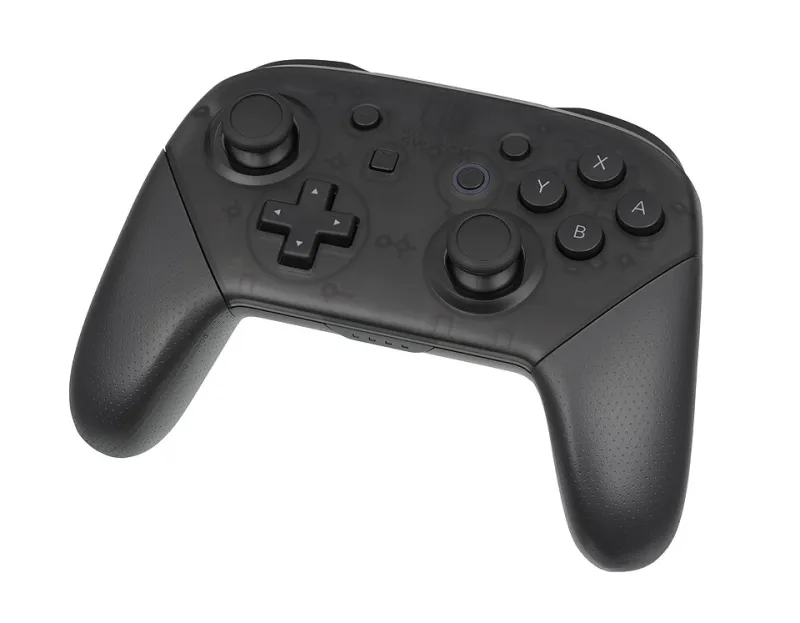
Photo: Evan-Amos, Public domain, via Wikimedia Commons
There's a specific kind of disbelief that hits when a dead franchise suddenly shows up on a gaming showcase stage. You know the feeling — the slow blink, the double-take at the logo, the frantic texting of friends who also spent years mourning what felt like a permanently closed chapter. Then the trailer ends, the hype ignites, and you're left asking the same question everyone else is: How did they actually pull that off?
Not every resurrection earns that reaction. Gaming history is littered with revivals that arrived smelling like mothballs, leaning so hard on nostalgia that they forgot to bring anything new to the table. But a select few sequels managed something genuinely rare — they came back and proved that the fire wasn't out. It was just waiting for the right moment to burn brighter.
The Long Game: Why Some Franchises Need Time to Breathe
The instinct in the games industry is to keep the machine running. Sequels, expansions, spin-offs — the pipeline rarely stops. So when a beloved series goes quiet for five, eight, even fifteen years, it's usually not by choice. Sometimes a studio collapses. Sometimes a publisher loses faith. Sometimes the original team scatters to the wind and the IP sits in a licensing purgatory that feels permanent.
What nobody accounts for is what that silence does to a fanbase. It doesn't kill the passion — it concentrates it. Communities keep the flame alive through fan forums, modding scenes, and annual replays of games that are technically showing their age. By the time a real sequel finally materializes, there's a reservoir of goodwill that's been building for years.
But goodwill alone doesn't save a bad game. The sequels that truly came back swinging understood something crucial: the gap in time wasn't just a problem to overcome. It was a creative opportunity.
Devil May Cry 5 and the Art of Knowing What You Are
Few franchise stumbles were as public as what happened to Devil May Cry between 2008 and 2019. After Devil May Cry 4 left fans feeling shortchanged and the Dante reboot in DmC split the community straight down the middle, many had quietly accepted that the stylish, over-the-top demon-slaying series they loved was essentially done.
Then Devil May Cry 5 dropped in 2019, and it felt less like a comeback and more like a victory lap.
Capcom didn't hedge. They didn't try to compromise between the reboot crowd and the original fans. They leaned fully into what made the classic entries legendary — absurd style ratings, layered combo systems, characters who treat apocalyptic demon wars like a personal fashion show. Nero got a mechanical arm that could literally punch the swagger back into the series. Vergil returned in DLC so satisfying that it became the conversation for months.
What made it work wasn't just the gameplay. It was confidence. The developers came back knowing exactly who they were making the game for, and they swung for the fences without apology.
XCOM 2 and the Burden of Expectations
Strategy games occupy a different corner of the gaming world, but the XCOM revival tells a story worth paying attention to. After years of dormancy, XCOM: Enemy Unknown in 2012 resurrected a beloved PC strategy franchise for a new generation. It was well-received — but it was XCOM 2 in 2016 that genuinely cemented the revival as something special.
Firaxis made a gutsy call: they started the sequel with humanity having already lost. The aliens won. XCOM is a resistance movement now, operating from a stolen alien vessel, fighting a guerrilla war against an occupying force. It was a narrative swing that could have alienated players, but instead it reframed the entire emotional stakes of the game. Every mission felt more desperate, more meaningful. The permadeath of your soldiers hit harder because you were already playing from a position of defeat.
That willingness to torch the triumphant ending of the first game — to say "actually, things got worse" — is exactly the kind of creative courage that separates a lazy sequel from a genuine evolution.
What the Best Revivals Actually Have in Common
Look across the sequels that earned their second chances, and a few patterns start to emerge.
They respected the original without being imprisoned by it. The best returning franchises treated their predecessors like a foundation, not a ceiling. They honored what made the first entry special while giving themselves room to grow.
They took a genuine creative risk. The safe play — just making more of the same — almost never works after a long absence. Players can smell comfort-zone game design from a mile away. The sequels that landed punched through expectations rather than just meeting them.
They had a team that actually cared. You can feel the difference between a game made by people who love the source material and one assembled to hit a release window. Passion isn't a marketing bullet point — it shows up in the details, the polish, the moments that exist purely because someone thought they'd be cool.
They understood their community. Years of forum posts, fan theories, and community modding gave these developers a roadmap. The smartest studios listened to what players had been asking for through that long silence and built it into the sequel's DNA.
The Doubters Were Part of the Story
Here's the thing about comeback narratives that often gets overlooked: the skeptics weren't wrong to be skeptical. Most long-delayed sequels do disappoint. The gaming graveyard is full of them. The doubt was earned through years of watching beloved IPs get mishandled, rushed, or strip-mined for parts.
That's exactly what makes the exceptions so electric. When a sequel clears a bar that everyone assumed it would trip over, the victory feels earned on both sides. The developers proved something. The fans who held on proved something. Even the critics who came around proved something — that they could recognize a genuine win when they saw one.
Legends aren't built on easy climbs. They're built on the moments when everything said it was over and someone decided to prove otherwise.
The best comeback sequels in gaming are exactly that. They're proof that some fires don't go out — they just wait for the right fuel.