When the Screen Goes Dark: How Video Game Death Scenes Became the Most Gut-Punching Moments in Storytelling
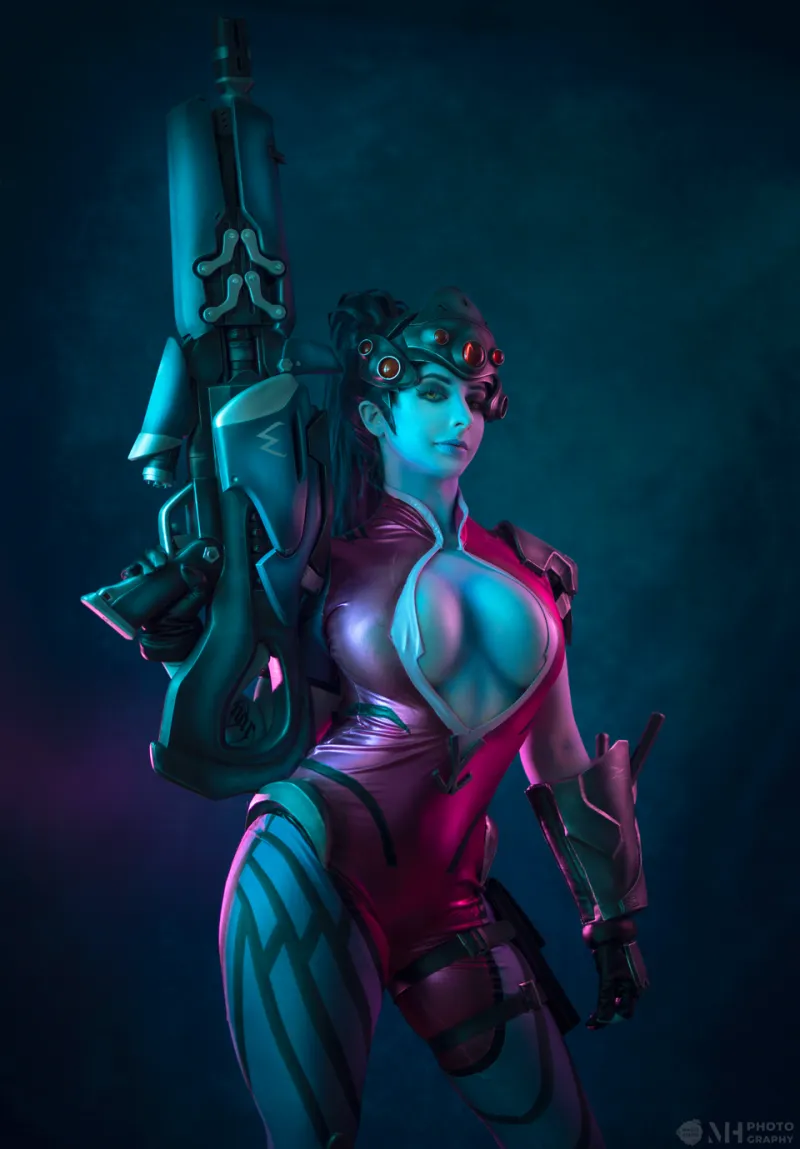
Photo: Catharina890, CC BY 4.0, via Wikimedia Commons
There's a specific kind of silence that falls over a room when a beloved game character dies for good. Not the annoyed exhale of a failed boss attempt. Not the casual shrug of a respawn. This is the silence of someone staring at a screen, controller loose in their hands, genuinely processing grief over a fictional person made of polygons and code.
If you've felt that, you already know what we're talking about. If you haven't yet — buckle up, because modern game design is coming for your emotional immune system.
From Mechanic to Mythology
For most of gaming's early history, death was purely functional. You ran out of lives, the game ended, you tried again. Mario didn't have a funeral. Pac-Man didn't leave behind a legacy. Death was a wall between you and the next level, nothing more.
That started shifting in the late 2000s and exploded across the 2010s as narrative design matured alongside processing power. Developers began asking a genuinely radical question: what if dying actually meant something?
The answer rewired how we think about interactive storytelling entirely.
Permadeath mechanics — where a character's death is final, no reloads, no second chances — forced players into a completely different emotional contract with the game. Suddenly, every decision carried weight. Every enemy encounter felt like a negotiation with fate. And when a character you'd spent hours building, nurturing, or simply surviving alongside finally fell? That moment became yours. Not the developer's. Yours.
The Roguelike Revolution and Why We Keep Going Back
Few genres weaponize death more deliberately than the roguelike. Games like Hades, Dead Cells, and Spelunky have built entire mythologies around the concept of dying repeatedly — and finding meaning in the pattern of failure itself.
In Hades, dying isn't a punishment. It's practically the point. Each run through the underworld ends with Zagreus returning to his father's halls, where new dialogue, new story beats, and new character relationships are waiting. The developers at Supergiant essentially made death the delivery mechanism for narrative. You don't progress the story by winning — you progress it by losing, over and over, in slightly different ways.
That's a genuinely wild inversion of traditional storytelling logic. And players absolutely devoured it.
The emotional investment in roguelikes is built on accumulated loss. You remember the run where you almost made it. You remember the exact moment everything went sideways. Those memories are more vivid than anything a cutscene could hand you, because you were there. You made the choices. You felt the consequences.
The Big Swings: AAA Deaths That Broke the Internet
Of course, not every iconic game death comes wrapped in permadeath mechanics. Some of the most devastating moments in gaming history arrived in big-budget, story-driven titles where the developers simply had the nerve to pull the trigger on a character you thought was untouchable.
We're not going to name every example here because half the joy is experiencing these moments cold — but you know the ones. The mentor who doesn't make it. The companion who sacrifices themselves in the final act. The villain whose death lands harder than it should because the game spent thirty hours making you understand them.
What separates a great game death from a cheap one isn't shock value. It's earned weight. The best deaths in gaming feel inevitable in retrospect, like the story was always building toward that exact moment, even when you didn't see it coming. When it lands right, it's the kind of thing you talk about years later — not "that scene in that game" but "the moment that broke me."
Why Interactivity Makes Loss Hit Different
Here's the thing that film and television simply cannot replicate: in games, you are complicit.
When a character dies in a movie, you watched it happen. When a character dies in a game — especially one where your choices shaped the path to that moment — you let it happen. Or worse, you caused it. That psychological difference is enormous.
Researchers studying player psychology have consistently found that emotional responses to game narratives can match or exceed those triggered by passive media, specifically because of agency. When you're the one holding the controller, your brain doesn't fully separate "the character's choices" from "your choices." The guilt, the grief, the pride — it all bleeds together.
Developers who understand this use it like a scalpel. A death scene in the right hands isn't just a narrative beat — it's a mirror held up to the player, asking them what they value, what they were willing to risk, and whether they'd make the same call again.
The Indie Scene Is Doing It Better Than Anyone
While the big studios occasionally nail a death scene, it's honestly the indie space that's been pushing this craft hardest. Games like Disco Elysium, Celeste, Undertale, and Hollow Knight have used mortality — literal and metaphorical — to explore themes that triple-A budgets rarely have the nerve to touch.
Undertale in particular turned the entire concept of game death into a philosophical argument. What does it mean to kill in a game world? What do you owe the characters who exist there? The game doesn't just ask those questions — it punishes you for answering wrong and remembers that you did.
That's storytelling that could only exist in an interactive medium. No film can do that. No novel can do that. Only a game can look you in the eye and say: we both know what you did.
The Legacy of a Good Death
Here at Shining Fury, we believe legends are forged in fire — and sometimes that fire is the screen going dark at exactly the wrong moment. The best deaths in gaming aren't failures. They're the moments that prove the story was real enough to hurt.
As games continue to evolve, as narratives get more ambitious and mechanics get more sophisticated, one thing is clear: developers have figured out that finality is one of the most powerful tools in their arsenal. The question isn't whether your favorite character will eventually fall. It's whether their fall will mean something.
The great ones always do.